The project
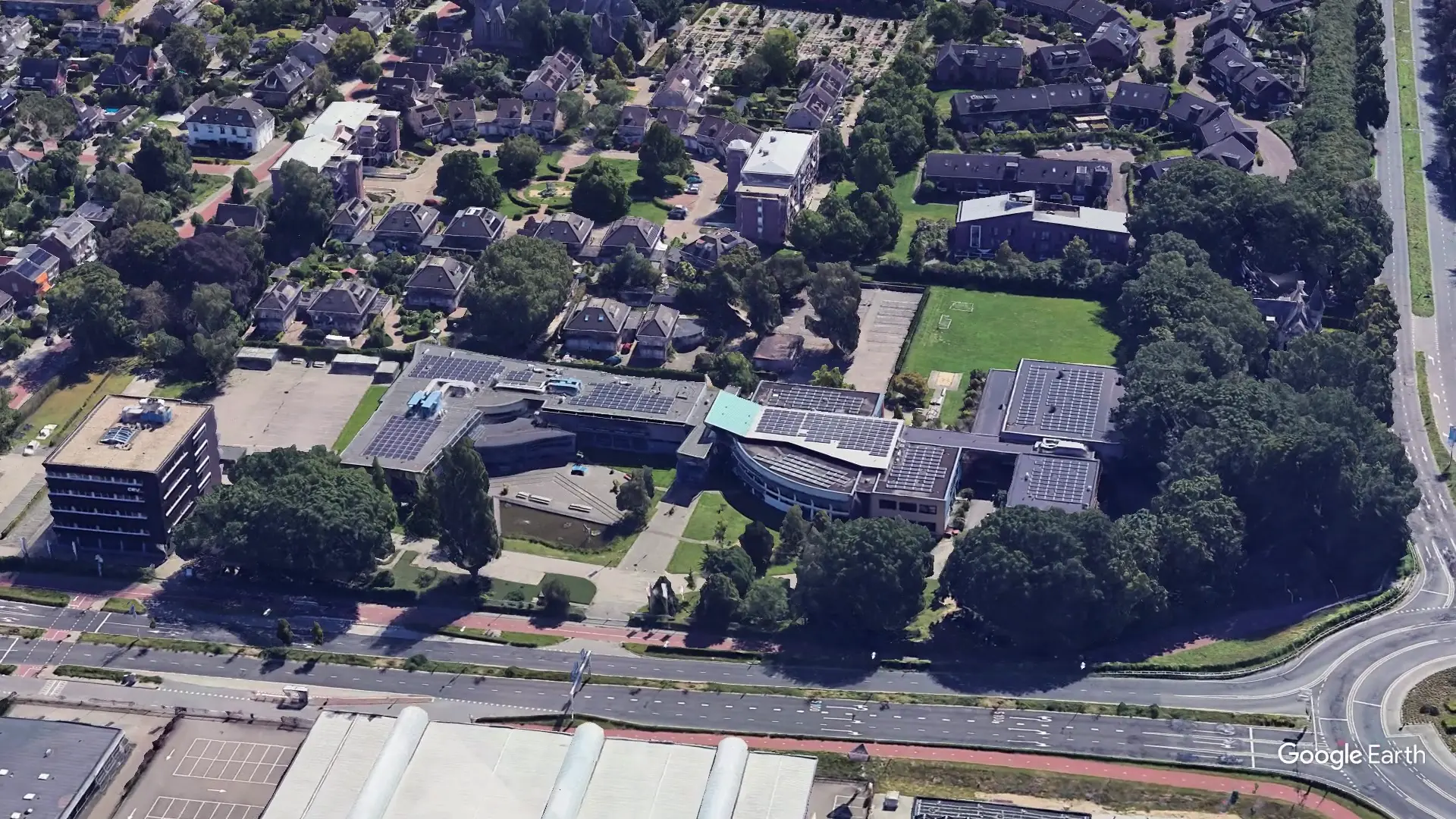
Mondial College Leuvensbroek is relocating to a new building — a rare chance to predict pedestrian congestion from architectural drawings and real behavioural data, months before the move makes design decisions irreversible. Three layers of modelling, each answering what the previous one cannot: a controlled behavioural experiment supplies calibration parameters no standard model assumes for teenagers; a timetable-driven graph simulation turns the floor plan and the school’s real schedule into a quantitative corridor-load map across 52,000+ weekly trips; and an ongoing agent-based simulation resolves what a graph cannot — queues, doorway conflicts, density waves. The result: congestion here is a property of the building’s shape, not of which class is in which room, and the study says so before the building opens.
YouTube Video
Deze website is verder volledig vrij van cookies. Om deze video hier te bekijken, moet je eerst akkoord gaan met de cookies van YouTube.